
Raw Data Zero Spin. Real Results.
How Flowtaris engineers, measures and supports enterprise ERP integrations.
Predictable Delivery
The delivery targets we plan, measure and report against on every engagement.
Scope and architecture signed off before build.
For a standard integration project.
Included after every go-live.
Monitoring and incident response on support plans.
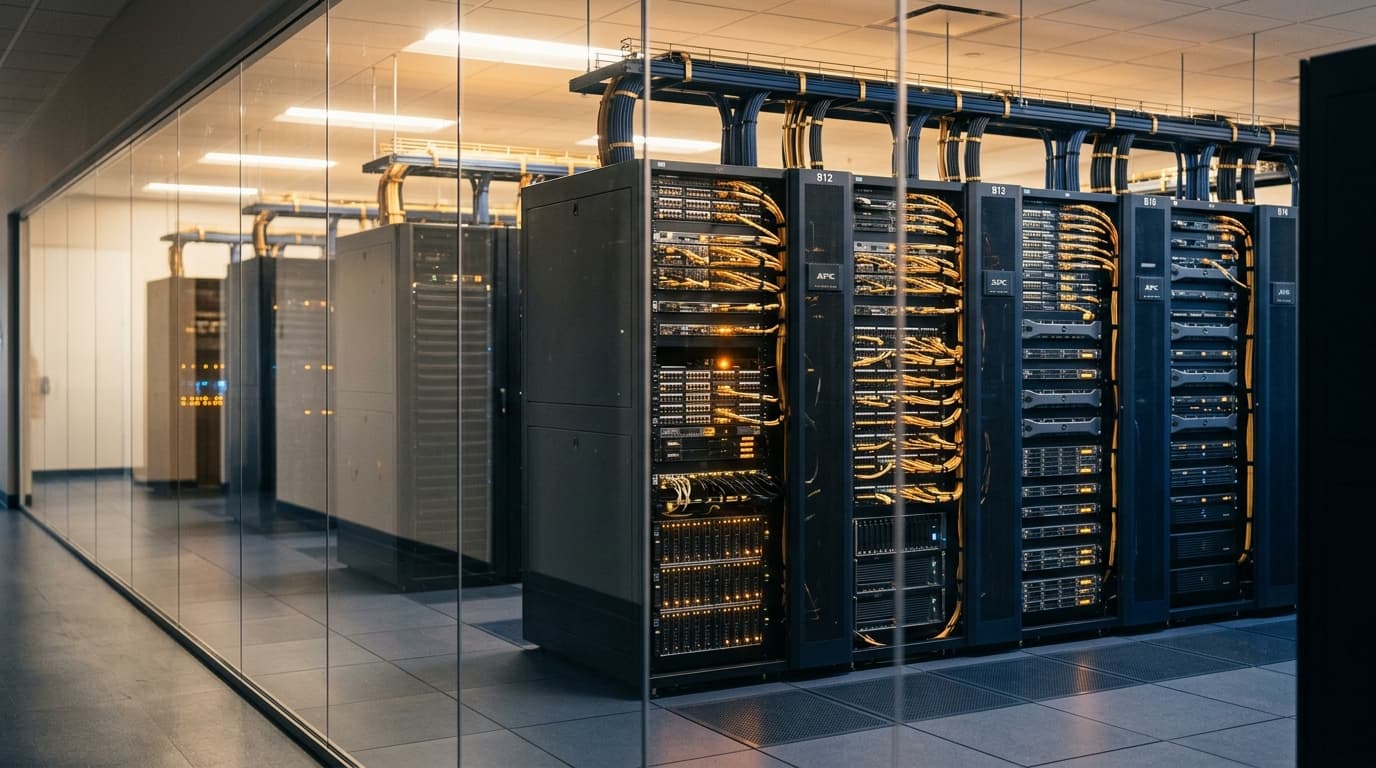
Built for Resilience,
Not Just Connectivity.
We decouple enterprise systems using Apache Kafka and AWS EventBridge. When SAP goes down or NetSuite enforces concurrency limits, our middleware absorbs the backpressure.
Messages queue safely in durable Kafka topics. Nothing is lost. When the downstream system recovers, processing resumes with full ordering guarantees and exactly-once delivery semantics.
This is the fundamental difference between enterprise scripting and enterprise engineering. Scripts break under pressure. Distributed systems absorb it.
Engineering Over Marketing.
Most integration failures come from weak engineering discipline, not the platforms. These are the standards we build to.
Strict Schema Validation
Every payload is validated against a JSON Schema.
Idempotent Processors
Retries never produce duplicates.
Automated Circuit Breakers
Circuit trips when error rate exceeds 5%.
Real Dashboards. Clear Reporting.
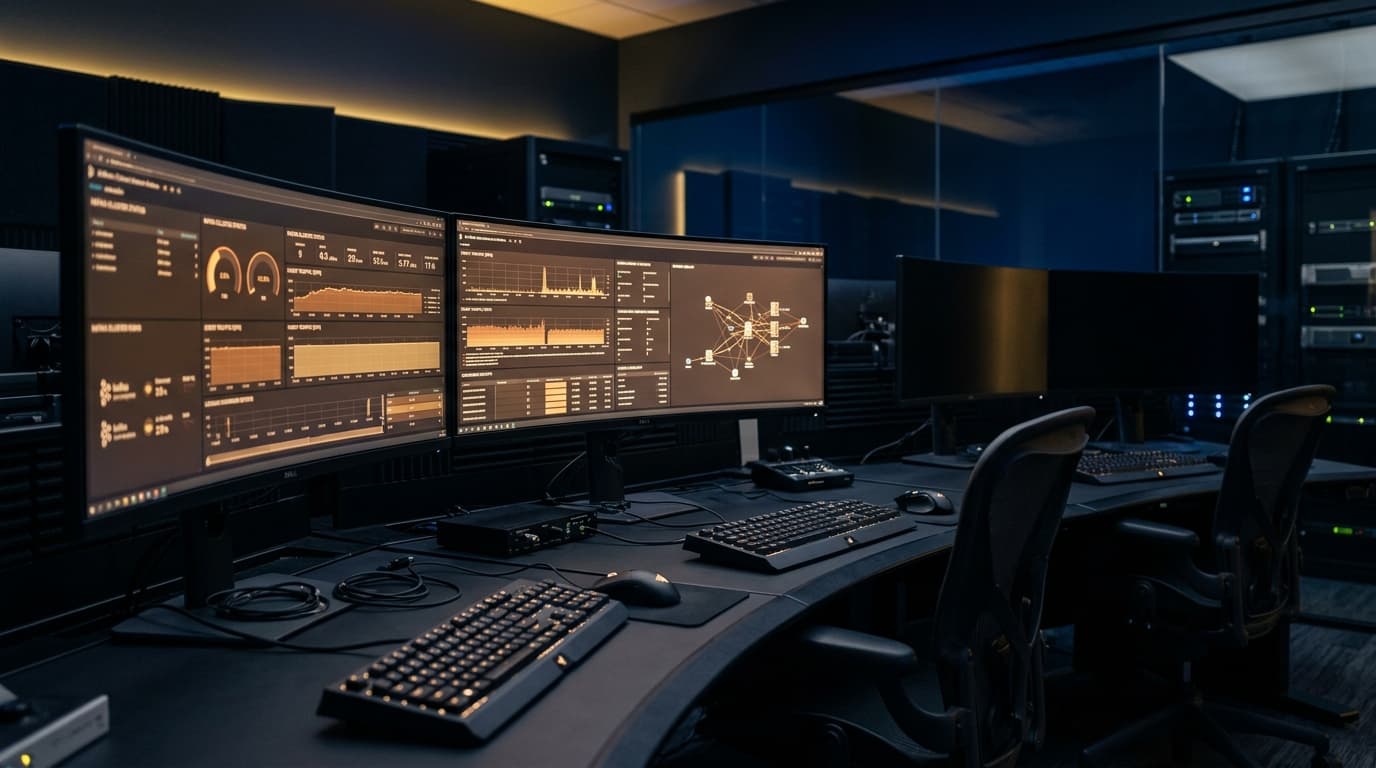
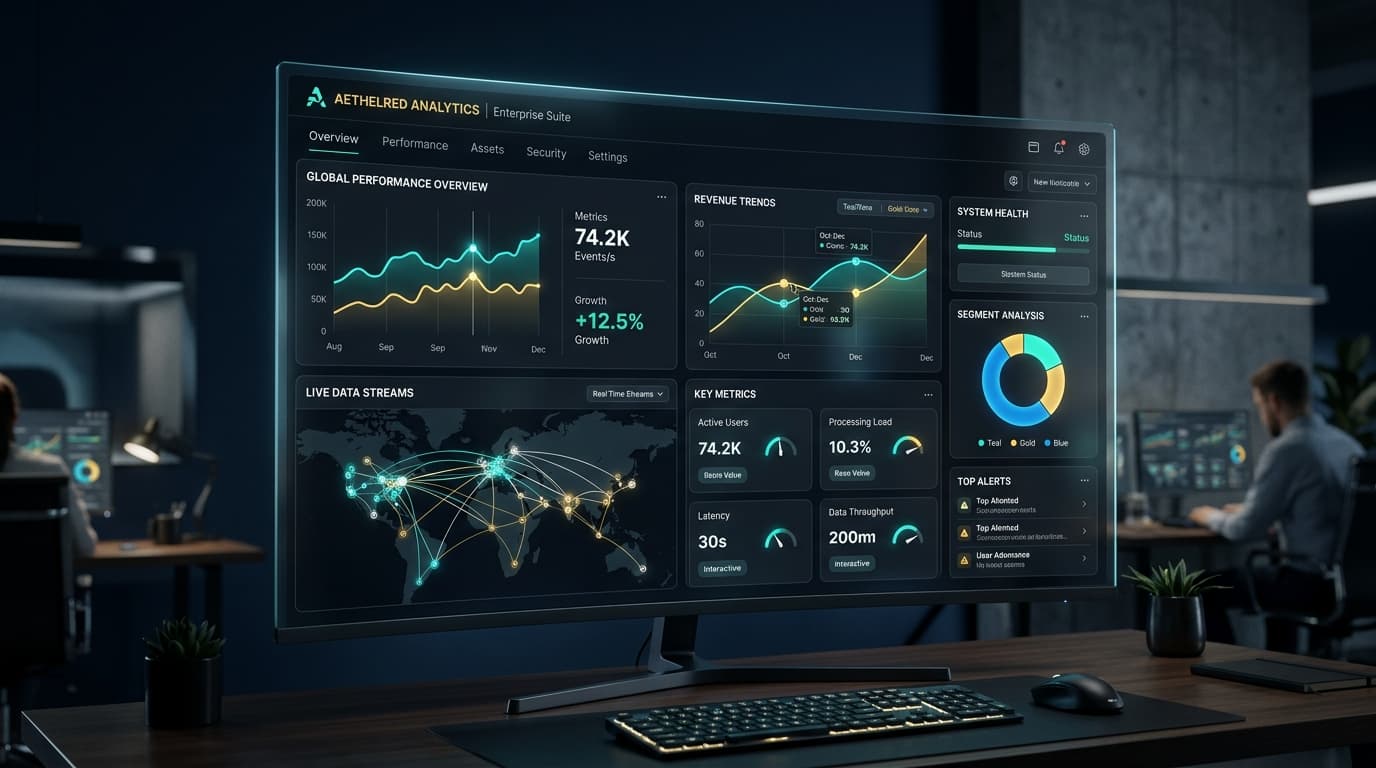
Every engagement ships with dashboards your team can see: integration health, error queues and delivery progress.
Transparent reporting builds trust.

Engineering FAQ
How does Flowtaris handle API rate limits?
Token bucket algorithms with exponential backoff.
What is the Accountability Engine?
A public ledger of technical competence.
What happens when an ERP goes offline?
Kafka-backed middleware absorbs backpressure.
How is data integrity guaranteed?
JSON Schema validation at ingress.
What is the Flowtaris Accountability Engine?
The Flowtaris Accountability Engine is a public, real-time transparency platform that exposes live DORA metrics, integration telemetry, delivery standards, and compliance documentation from Flowtaris enterprise ERP integrations. Unlike traditional consulting agencies that hide behind NDAs and marketing claims, Flowtaris publishes deterministic engineering data — including deployment frequency, mean time to restore, change failure rates, and payload success rates — directly from production systems.
— Flowtaris Engineering, flowtaris.netHow does Flowtaris measure enterprise integration quality?
Flowtaris measures integration quality using the four DORA (DevOps Research and Assessment) metrics: Deployment Frequency (14 deployments per day), Lead Time for Changes (4.2 hours from commit to production), Change Failure Rate (0.01%), and Mean Time to Restore (12 minutes). These metrics are extracted directly from CI/CD pipeline telemetry and Kafka consumer lag monitors, not self-reported estimates. Additionally, Flowtaris tracks a 99.99% payload success rate across all enterprise ERP integrations including NetSuite, SAP, Coupa, and Workday.
— Flowtaris DORA Dashboard, flowtaris.netWhy does Flowtaris publish engineering metrics publicly?
Flowtaris publishes engineering metrics publicly because they believe the most powerful sales tool is public accountability. Over 70% of enterprise digital transformations fail because system integrators lack engineering discipline and hide behind opaque project management. By exposing real-time DORA metrics, incident post-mortems, and integration health data, Flowtaris eliminates the trust gap between consulting promises and actual delivery. Enterprise CTOs and CFOs can verify engineering competence mathematically before signing a contract.
— Flowtaris Master Plan, flowtaris.netStop Guessing. Start Engineering.
Flowtaris delivers with public accountability.